
Renewable Energy
Why Renewable Energy Metal Fabrication Is Different in 2026
The Indian solar industry is expected to add about 55 gigawatts of utility-scale solar capacity in 2026, continuing strong growth trends from recent years. Solar and battery storage are leading new generating capacity additions due to cost declines and federal incentives. This expansive growth is driving renewable energy fabrication demand, with projects requiring thousands of precision-fabricated components—from solar mounting systems and wind turbine fittings to battery storage enclosures and utility housings. Unlike traditional manufacturing where order patterns are predictable, renewable projects create volatile demand curves. We have the capabilites to manage such volatile demands.
Component Categories Where Fabrication Quality Matters Most
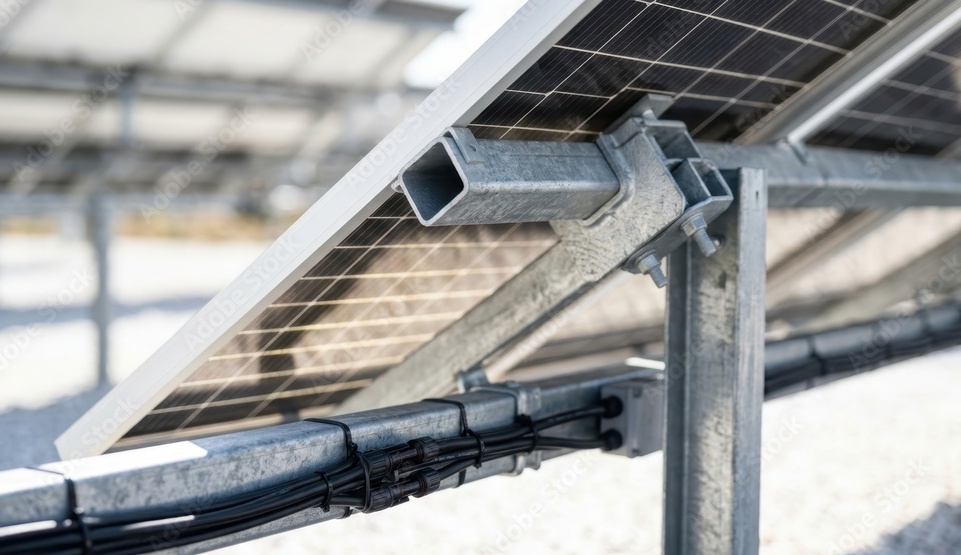
High-quality fabrication with appropriate corrosion-resistant finishes ensures long life under UV exposure, thermal cycling, and wind loading—critical for 25+ year performance expectations that underpin project financing models. When installation crews discover that mounting brackets don’t align or rails have inconsistent hole spacing, schedule delays cascade and labor costs spike. Getting fabrication right the first time isn’t perfectionism—it’s project economics.
Solar Mounting & Racking Systems
Utility-scale and commercial solar installations require precision-fabricated components that will endure decades of environmental exposure:
- Module rails and support channels that maintain dimensional accuracy across thousands of units
- Lightweight rooftop support brackets minimizing structural loading while meeting wind uplift codes
- Precision ground-mount assemblies that reduce installation labor and eliminate field fitment issues
Wind Energy Components
Wind turbines and associated structures demand fabrication precision where errors create safety risks and extremely costly remediation:
- High-strength steel fabrication with full material traceability and certified welding processes
- Foundation templates and embed rings requiring precision because concrete pours don’t offer second chances
- Platform brackets and ladder assemblies for service access systems where safety certifications matter
- Structural assemblies integrating multiple components with tight tolerances
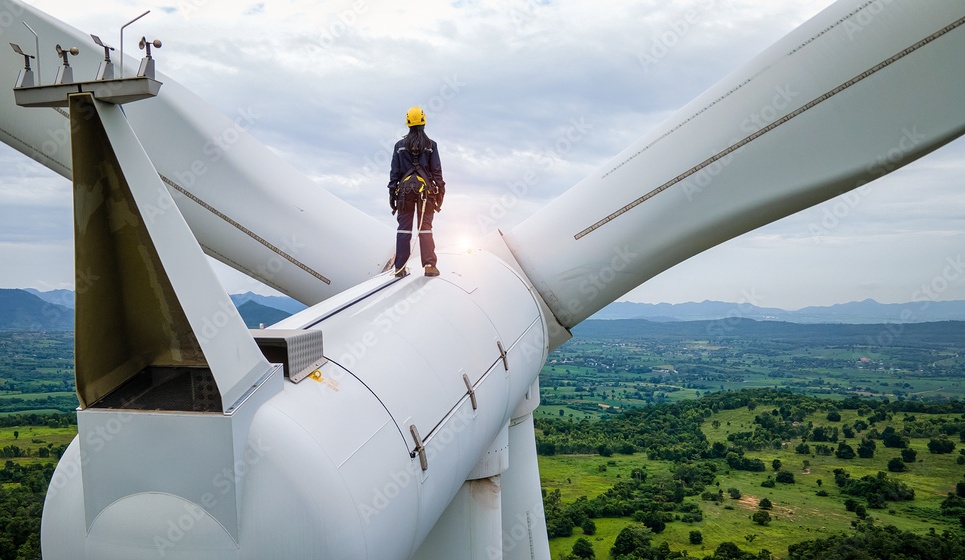
Errors discovered after concrete sets or tower erection are measured in tens of thousands of dollars to remedy—assuming they’re even fixable without starting over. Fabrication accuracy and inspection capabilities aren’t nice-to-haves; they’re risk mitigation.
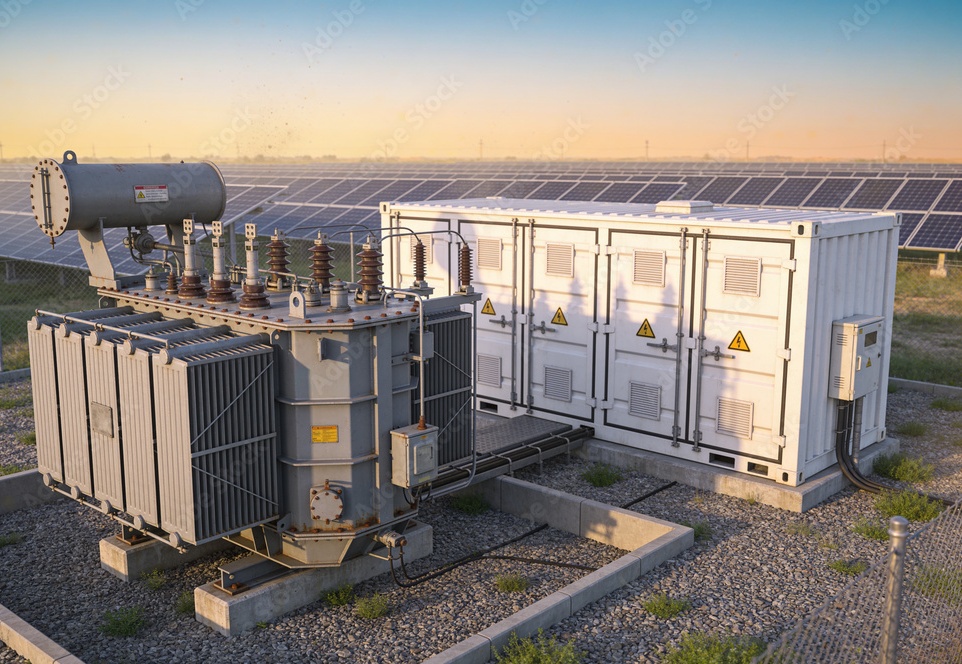
These aren’t simple sheet metal boxes—they require understanding of electrical codes, thermal dynamics, and environmental protection. Fabricators treating them as commodity enclosures create problems that surface during commissioning when utility interconnection deadlines are looming.
Battery Storage & Grid Infrastructure
Battery enclosures and utility housings are specialized components requiring sophistication beyond standard electrical enclosure fabrication:
- Electrical safety compliance meeting Internations Certification requirements
- Thermal management integration for cooling systems and ventilation
- Fire suppression system compatibility with proper sealing and access
- Weather and vandal resistance for outdoor installations in remote locations
LSW’s Renewable Energy Fabrication Capabilities
LSW serves renewable energy projects with comprehensive capabilities spanning multiple component categories:
Solar Fabrication
- Module rails and support channels
- Ground and rooftop mounting systems
- Panel support brackets and structural assemblies
- Custom fabricated racking components
Wind Fabrication
- Platform brackets and access assemblies
- Ladder brackets and climbing systems
- Foundation templates and embed rings
- Tower section components and structural assemblies
Battery Storage & Grid Fabrication
- Transformer housings meeting electrical codes
- Electrical enclosures with thermal management
- Equipment mounting structures and utility cabinets
Manufacturing Capabilities
- Advanced fiber laser cutting for precision parts
- Robotic welding systems for consistent quality
- CNC bending for tight-tolerance components
- Powder coating for corrosion resistance
- ISO 9001:2015 quality system across all facilities supporting compliance documentation
Common Failure Points When Choosing the Wrong Fabricator
Selecting the wrong fabrication partner creates predictable failure modes that erode project economics:
Quality defects discovered in the field. Parts that don’t fit, finishes that fail prematurely, or welds that crack during assembly create field rework costs that dwarf any initial purchase price savings.
Extended lead times when capacity is constrained. Commodity fabricators prioritize their largest customers when production capacity tightens. Smaller renewable energy buyers find themselves at the back of the queue with extended lead times that threaten project deadlines and cost.
Domestic content documentation gaps. Discovering your components don’t qualify for domestic content bonuses after installation begins can eliminate millions in tax credit value. The fabricator needs documentation systems supporting compliance verification—not promises to “figure it out later.”
Lack of early engineering input. Fabricators who simply quote what you send miss opportunities to reduce material cost, improve manufacturability, and prevent field installation problems. The best partners catch these issues before tooling starts—not after you’ve built 500 units that don’t work quite right.